Interconnected Compliance Frameworks Linking Support Systems to Spin Access Rules in British Mobile Gaming Ecosystems
Freya Schwarz · Nov 12, 2026
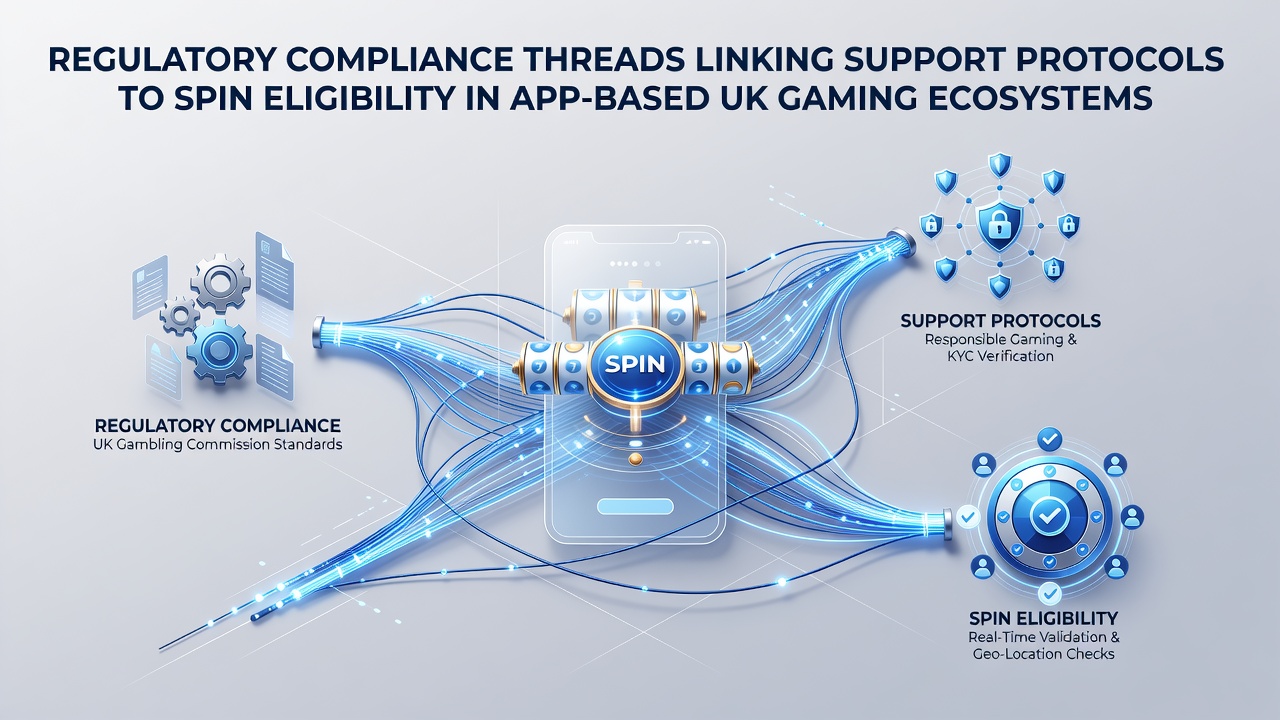
Interconnected Compliance Frameworks Linking Support Systems to Spin Access Rules in British Mobile Gaming Ecosystems
Regulatory structures in app-based gaming across the United Kingdom create direct pathways that tie customer support protocols to spin eligibility determinations, and these connections have grown more defined as mobile platforms expanded their promotional systems. Operators maintain verification processes where support teams check account status, bonus terms, and user history before granting access to spins, while compliance requirements dictate that every step aligns with broader standards for fair play and consumer protection. Data from industry analyses shows these threads operate through shared databases that flag eligibility issues in real time, ensuring support interactions feed directly into promotional qualification checks without separate approval layers.
Core Elements of Support Protocol Integration
Support protocols function as the operational bridge in these ecosystems because they handle initial user queries about bonuses and simultaneously log data that determines whether spins become available. Teams review transaction records, account verification status, and prior bonus usage during each contact, which then updates eligibility flags in the central system. Research indicates that platforms using automated ticketing systems integrated with compliance software reduce processing delays by routing support notes straight to eligibility engines, and this setup prevents mismatches between user requests and regulatory limits on promotional offers.
Spin Eligibility Pathways Under Current Standards
Eligibility for spins depends on compliance checkpoints that support staff enforce through scripted verification sequences, and these sequences cover deposit confirmation, wagering progress, and regional restrictions all at once. Figures from platform audits reveal that support interactions account for the majority of eligibility adjustments in mobile apps, especially when users encounter account holds or term violations that block spin activation. One documented workflow shows a support agent confirming identity details during a chat session, which immediately triggers an eligibility update that either unlocks or restricts spin access based on pre-set rules.
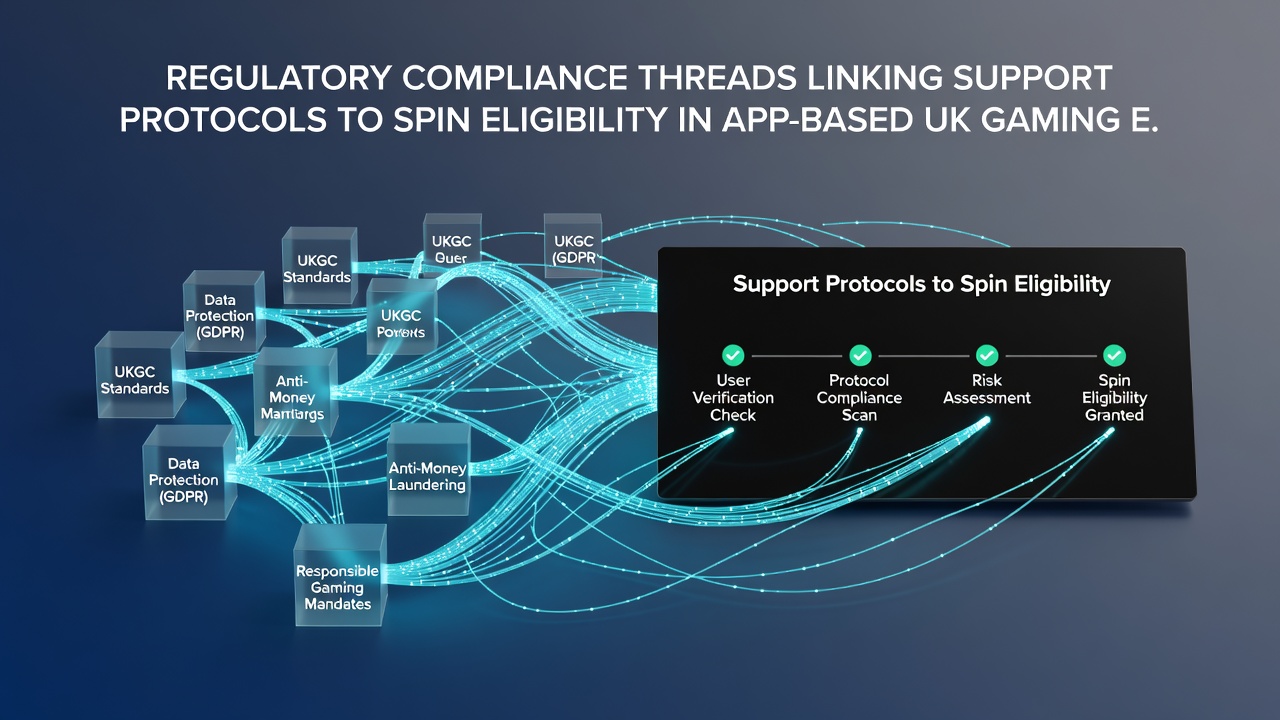
Platform operators have adopted unified dashboards that display both support history and spin status side by side, allowing agents to resolve issues without escalating cases to separate compliance departments. This integration follows patterns established in earlier mobile gaming updates, whereas newer systems add real-time API calls between support tools and promotional engines. Observers note that such linkages help maintain consistent application of rules across thousands of daily user sessions, and they reduce the risk of unauthorized spin grants that could breach operational guidelines.
Developments Anticipated for November 2026
Upcoming adjustments scheduled for November 2026 will require enhanced logging of support interactions that directly influence spin eligibility, and these changes stem from evolving expectations around transparency in promotional mechanics. Systems will need to archive every verification step taken by support teams so that eligibility decisions remain traceable for extended periods, while mobile apps must display clear status indicators tied to those records. Industry reports suggest operators are already testing expanded audit trails that connect chat transcripts to spin activation logs, and this preparation aligns with similar requirements emerging in other regulated markets.
Cross-Regional Influences on UK Practices
Compliance models in the United Kingdom draw structural ideas from frameworks used elsewhere, such as those outlined in reports by the National Council on Problem Gambling, which emphasize verification protocols that link support functions to promotional controls. Similar approaches appear in Australian regulatory guidance on digital gambling platforms, where support teams play a documented role in confirming eligibility before any bonus feature activates. These external references help shape technical requirements without replacing local operational standards, and they encourage the use of standardized data fields that travel between support systems and eligibility modules.
Technical Architecture Supporting These Links
Backend architectures rely on event-driven triggers where a support ticket closure event automatically queries the spin eligibility database, and this automation keeps human oversight focused on complex cases rather than routine checks. Security layers encrypt the data exchanged during these queries, while access controls limit which support personnel can view or alter eligibility flags. Studies of mobile gaming infrastructure show that platforms employing these architectures experience fewer discrepancies between user-reported issues and actual spin availability, and the design supports rapid scaling as app user bases grow.
Conclusion
The regulatory compliance threads that connect support protocols to spin eligibility continue to define operational standards in app-based UK gaming ecosystems, with integration points becoming more precise through shared technology and scheduled updates. Support interactions serve as both the entry point for user assistance and the data source for eligibility enforcement, creating a unified process that meets multiple compliance objectives at once. As frameworks evolve toward November 2026, these linkages will likely expand to include additional audit and transparency features drawn from international examples.