Security Mechanisms and Promotional Code Integration Across Mobile Casino Table Game Platforms
Willa Schröder · Oct 29, 2026
Security Mechanisms and Promotional Code Integration Across Mobile Casino Table Game Platforms
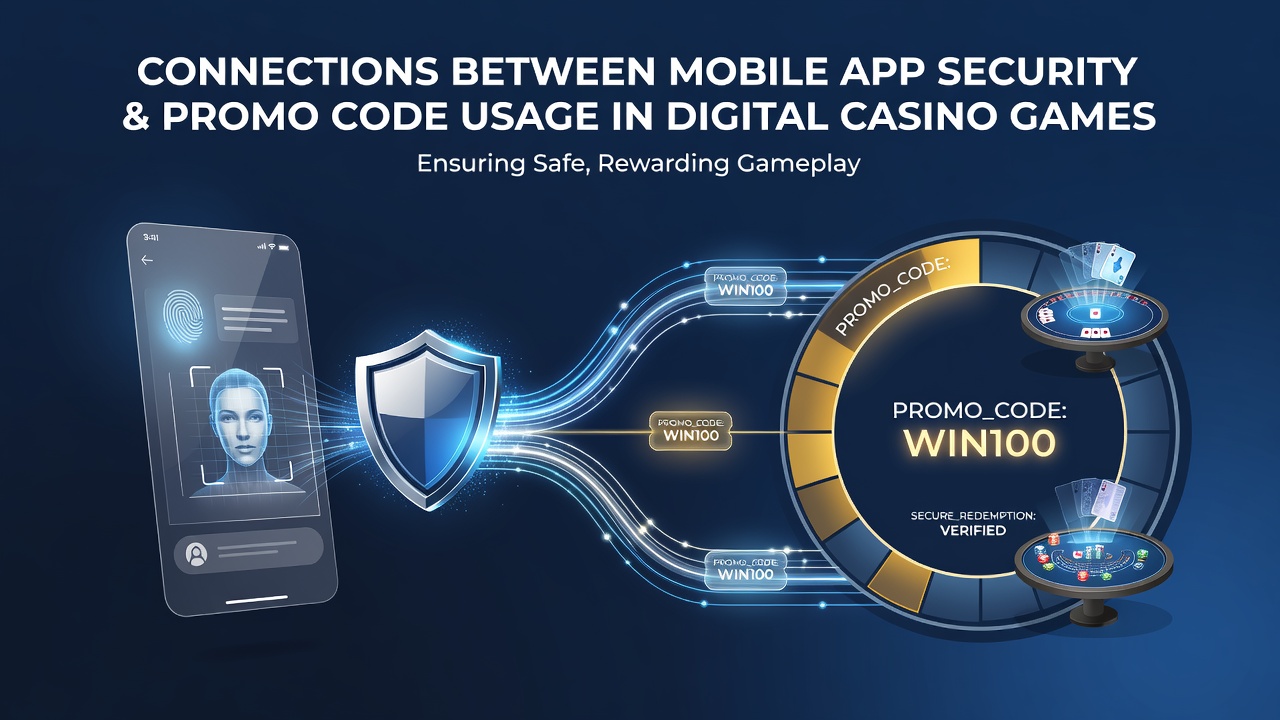
Digital casino platforms continue to link advanced mobile security tools directly with promotional code systems that grant access to table game offerings such as blackjack, roulette, and baccarat, and this integration shapes how operators manage player verification along with code redemption processes. Mobile applications employ encryption standards, biometric authentication layers, and real-time fraud detection algorithms that verify user identity before any promotional code activates a bonus on table game sessions. These features operate together because operators must confirm that codes reach legitimate accounts rather than automated scripts or unauthorized devices.
Mobile Security Layers That Support Code Redemption
Application developers incorporate multi-factor authentication sequences that combine device fingerprinting with one-time passcodes sent via secure channels, and these steps prevent third parties from intercepting or misusing promotional codes intended for table game play. Data encryption protocols protect the transmission of code strings between the player device and the operator server, while session monitoring tools flag unusual redemption patterns that could indicate shared accounts or location spoofing. Research from the Nevada Gaming Control Board indicates that platforms using layered authentication report lower rates of code abuse in digital table game environments during peak periods.
Biometric checks such as fingerprint or facial recognition add another verification tier before codes unlock free bets or deposit matches on roulette and blackjack tables, and operators observe that these measures reduce manual support interventions by streamlining the approval workflow. When a player enters a promotional code, the system cross-references the biometric match against stored account data, which creates an auditable trail that regulators can review during compliance checks.
Promotional Code Mechanics in Table Game Environments
Promotional codes in digital casino table game offerings typically trigger specific wagering requirements tied to game types, and security systems enforce these rules by locking the code to a verified device and geographic location. Operators design code structures that activate only after the mobile application confirms a secure connection, which limits distribution to players who complete identity checks within the app interface. Studies conducted by the Alcohol and Gaming Commission of Ontario show that table game bonuses tied to codes experience higher completion rates when security protocols require device binding before activation.
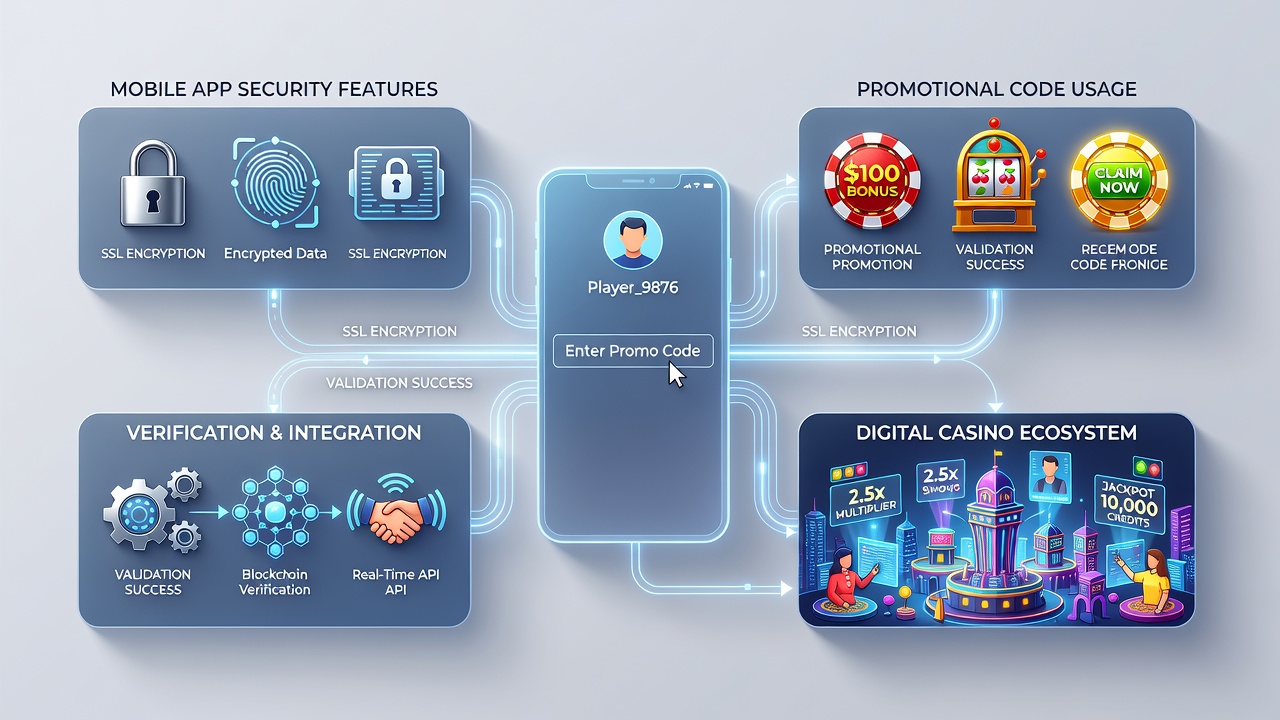
Table game offerings often feature time-limited codes that grant enhanced odds or matched deposits, yet these incentives only function once the application validates the player's session through encrypted channels. This setup allows operators to track how individual codes influence betting volumes on specific games like European roulette or multi-hand blackjack, and the data feeds back into security algorithms that adjust fraud thresholds dynamically.
Regulatory Influences on Integrated Systems
Regulatory frameworks across multiple jurisdictions require operators to maintain records that connect security events with promotional code usage, and these mandates drive platforms to embed audit logs directly into mobile application codebases. In October 2026, updates from several North American and European oversight bodies highlighted the need for real-time reporting on code redemptions that occur through secured mobile sessions, particularly when table game play exceeds certain volume thresholds. Platforms that align their security architecture with these reporting standards demonstrate improved compliance outcomes because automated systems flag discrepancies between code claims and verified user activity.
Operators also integrate geo-location services within security protocols to ensure promotional codes remain valid only in approved regions, and this geographic control pairs with account-level restrictions that prevent codes from transferring across devices without fresh authentication. Such measures support responsible play initiatives by limiting rapid successive redemptions that could bypass intended wagering conditions on table games.
Observed Patterns in Code Usage and Security Data
Analysis of aggregated platform metrics reveals that mobile applications with robust token-based authentication experience steadier promotional code uptake during table game tournaments and seasonal events, while weaker security correlates with higher abandonment rates after initial code entry. Researchers tracking these trends note that encryption upgrades implemented in 2025 contributed to measurable increases in successful redemptions for blackjack and baccarat bonuses across multiple operators. The connections appear because secure environments reduce player friction during verification steps, which in turn encourages completion of the full code activation sequence.
Case examples from various licensed platforms illustrate how combined security and promotional systems operate in practice, such as when a code for live dealer roulette activates only after the app confirms both biometric login and a stable encrypted connection. These operational links allow operators to adjust code values based on security risk scores derived from device behavior data collected during prior sessions.
Conclusion
The interplay between mobile security features and promotional code systems continues to define how digital casino table game offerings reach verified players while meeting operational and regulatory standards. Encryption, biometrics, and fraud detection tools work in tandem with code validation routines to create traceable pathways from initial entry to completed wagering on games like roulette and blackjack. Data from regulatory and industry sources demonstrates that platforms maintaining these integrated approaches record consistent patterns of code usage aligned with compliance expectations, and ongoing developments in authentication technology shape future refinements in both security and promotional delivery.